Complete Warehouse Installation Services: Improve Your Space for Maximum Efficiency
Complete warehouse installation services play a crucial role in boosting operational efficiency. By improving storage solutions, businesses can significantly improve their workflow and organization. These services involve detailed planning and strategic implementation of shelving and racking systems. However, the impact of modern technology and automation in these installations is often overlooked. Understanding these elements is vital for any business pursuing growth and productivity. What are the key factors to consider in this process?
Understanding Warehouse Implementation Services
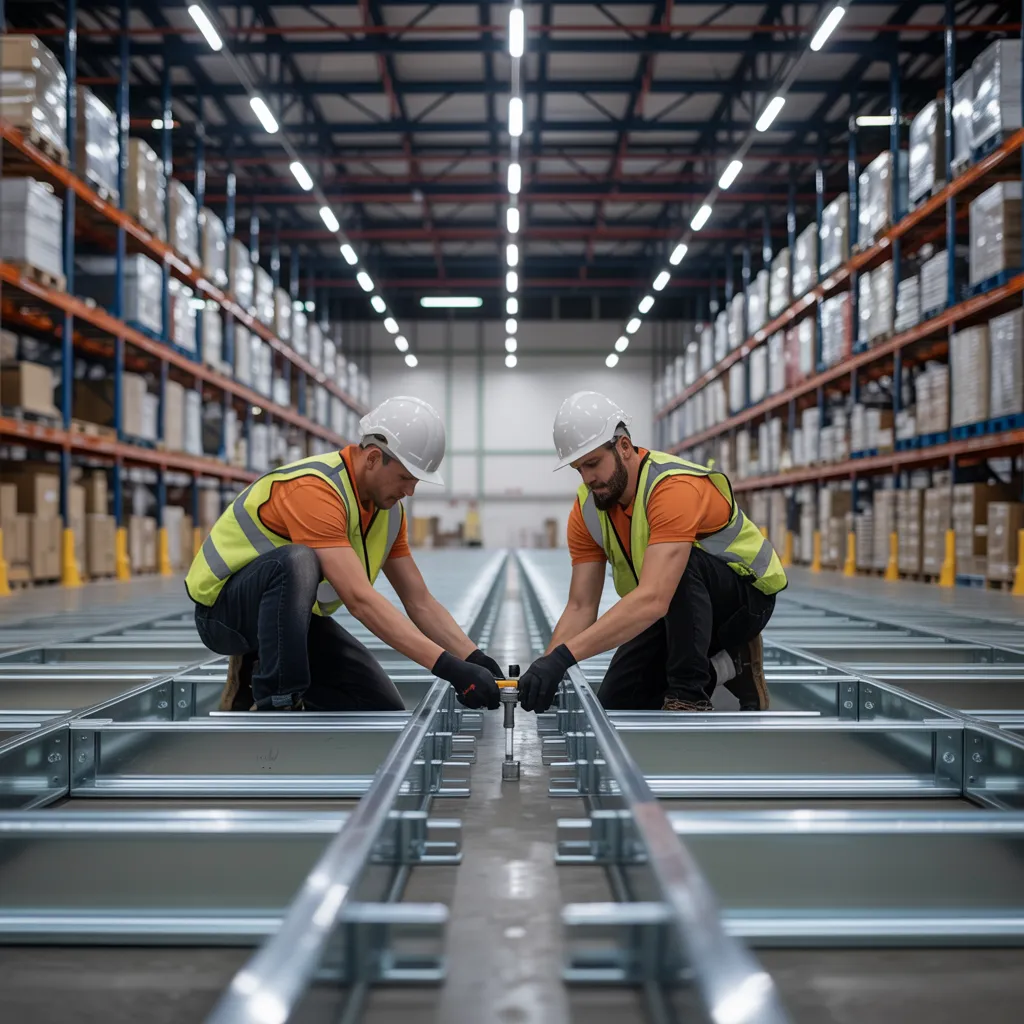
Warehouse installation services encompass a range of specialized activities designed to set up and optimize storage systems within a facility. These offerings usually involve the design, arrangement, and construction of storage shelves, racking structures, and other critical warehouse fixtures. Experts in this area evaluate the specific requirements of every facility, considering elements like stock varieties, spatial limitations, and workflow processes.
Furthermore, warehouse installation services involve the precise integration of technology, including inventory management systems and automated solutions, to boost efficiency. The process may also include the installation of safety features and compliance measures, verifying that all systems meet regulatory standards. By utilizing skilled technicians, these services aim to create a efficient storage environment that maximizes space utilization. Eventually, effective warehouse installation lays the groundwork for improved accessibility and organization, critical for maintaining operational efficiency in any warehousing operation.
Essential Advantages of Optimized Warehouse Space
Efficiently arranged warehouse space provides multiple advantages that directly impact operational effectiveness and cost-effectiveness. Better organization within the warehouse results in better inventory management, facilitating quicker access to products and streamlined picking processes. This increased accessibility not only decreases time spent searching for items but also reduces labor costs, as employees can process orders more efficiently.
In addition, maximizing vertical space through appropriate racking systems can significantly improve storage capacity without increasing the physical footprint. This effective use of space results in reduced overhead costs, as businesses can use existing facilities complete info more optimally.
Moreover, an organized warehouse contributes to safety, reducing the chance of accidents and injuries. A safer environment cultivates a more productive workforce, eventually enhancing overall morale and retention. By focusing on optimized warehouse space, businesses position themselves for sustainable growth and enhanced operational performance, establishing the framework for future success.
Essential Components of Warehouse Systems
Effective warehouse systems are built upon several key components that work together to enhance overall functionality and productivity. At the core is the layout, which controls the flow of goods and accessibility of inventory. A well-designed layout minimizes travel time and maximizes space utilization. Storage solutions, such as pallet racks and shelving units, are essential for managing products efficiently.
In addition, inventory management systems play a key role in tracking stock levels, facilitating replenishment, and limiting errors. Suitable material handling equipment, including forklifts and conveyor systems, guarantees safe and efficient movement of goods.
Moreover, protective protocols and equipment systems, such as fire suppression systems and personal protective gear, are required to protect employees and assets. Finally, efficient communication tools, for example radios and digital displays, improve coordination among staff. Collectively, these components establish a strong warehouse system that fosters efficiency and productivity, ultimately supporting an organization's operational goals.
How Automation Impacts Warehouse Efficiency
Automated systems greatly increase warehouse efficiency by optimizing processes and cutting down on manual labor. By adopting automated systems, warehouses can enhance inventory management, enhance order fulfillment, and eliminate errors. Advanced technologies such as robotic picking systems, conveyor belts, and automated storage and retrieval systems enable faster processing and movement of goods.
Moreover, automation allows for real-time data tracking, providing accurate inventory levels and better decision-making. With integrated software solutions, warehouses can analyze performance metrics, recognize bottlenecks, and adapt operations in response.
In addition, automation reduces operational costs by decreasing labor expenses and reducing the risk of injuries linked to manual handling. It also permits staff to concentrate on more strategic tasks that require human judgment, thereby fostering a more productive work environment. All in all, the adoption of automation in warehouse operations results in significant improvements in efficiency, productivity, and overall competitiveness in the market.
Picking the Right Installation Service Provider
Picking the Perfect Installation Service Provider
Picking the Best Installation Service Company
When selecting an installation service provider for warehouse systems, it is important to examine their experience and expertise in the specific technologies being implemented. A competent provider will understand the nuances of various systems, ensuring a seamless integration process. Also, it is vital to evaluate their track record of successful installations, as this demonstrates their reliability and competence.
Potential clients should also evaluate the provider's capacity to offer tailored solutions that meet specific warehouse needs. This entails a comprehensive consultation to discuss logistics, timelines, and budget considerations. Furthermore, customer service and support play vital roles; a responsive provider can address issues promptly, decreasing operational disruptions.
Finally, evaluating client feedback and case studies can offer valuable insights into the service provider's reputation and effectiveness. By considering these elements, businesses can choose an installation service provider that enhances their warehouse efficiency and productivity substantially.
Your Questions Answered
What Is the Duration of a Standard Warehouse Installation Project?
A standard warehouse installation project generally takes between several weeks to a few months, contingent upon factors such as complexity, size, and unique needs. Proper planning and coordination can significantly impact the total timeframe.
What Is the Average Cost of Warehouse Installation Services?
The average cost of warehouse installation services usually falls between $10,000 and $100,000, depending on factors like the project's size, complexity, and specific requirements, influencing overall pricing and available options for clients.
Are There Any Permits Required for Warehouse Installation?
Indeed, permits are usually necessary for warehouse installation, differing by location and project scope. Local regulations may mandate building permits, zoning approvals, and safety inspections to confirm compliance with building and operational requirements.
How Frequently Should Warehouse Systems Be Updated or Maintained?
Warehouse systems require updates or maintenance at least once per year, with more frequent assessments advised based on usage levels and operational requirements. Regular maintenance delivers optimal performance, prolongs equipment longevity, and improves overall safety and efficiency.
Are Installation Services Provide a Phased Approach for Larger Warehouses?
Yes, installation services can facilitate a phased approach for larger warehouses. This strategy permits gradual implementation, reducing disruption while ensuring that each phase is adapted to meet specific operational needs and efficiency goals.